New kitten checklist: a real setup under $150
The retreat comes first: $42
A kitten's first job in a new home is feeling safe enough to explore, and that starts with somewhere to retreat to. The Enclosed Large Scratch-Resistant Calming Pet Bed gives them a covered, dim spot that holds their scent, which beats the alternative: a kitten who claims the underside of your sofa as home base for the next month. Put it in the quiet corner of the room they start in, resist the urge to fish them out of it, and let confidence grow at their pace.
Water and food stations: $88 for both
The Ultra Silent Circulating Pet Drinking Fountain starts the drinking habit early: kittens who grow up with moving water tend to treat drinking as normal rather than as a last resort, and the quiet pump will not spook a new arrival. The 2-In-1 Dual Mode Large Plastic Cat Slow Feeder paces the kittens who attack meals like a competitive event, which many shelter kittens do at first. Set food and water a step apart, both far from the litter box, and keep the arrangement fixed while everything else in their world is new.
Play that teaches good habits: $14
Play in the first weeks is also training: it establishes what is prey and what is not. The Electric Jumping Fish gives a kitten a moving, catchable target for the stalk-pounce-catch cycle, which matters because a kitten without one appoints your hands and ankles to the role, and that joke stops being funny in an adult cat. Keep sessions short and frequent, always let the kitten win the catch, and put the toy away between rounds so it stays interesting.
What we deliberately left off
This list is the comfort layer, not the whole kit. You still need a litter box and litter, kitten food, and a carrier, and your veterinarian's advice on those beats any store's, which is why they are not padded into this checklist. Skip, for now, the cat tower, the gadget feeder, and the toy basket: a kitten needs a small number of consistent things, and the money kept in reserve buys the scratcher the moment scratching starts, which it will.
The first-week routine that ties it together
Start the kitten in one room with the bed, both bowls, and the litter box at sensible distances, and let them earn the rest of the home as confidence arrives. Run several short play sessions a day, feed at fixed times so the day has a shape, and end evenings with the catch-then-meal sequence that points the night toward sleep. The vet visit in the first week anchors everything else. Gear is the easy part; the routine is what the kitten actually settles into.
Products mentioned
See all comfort picks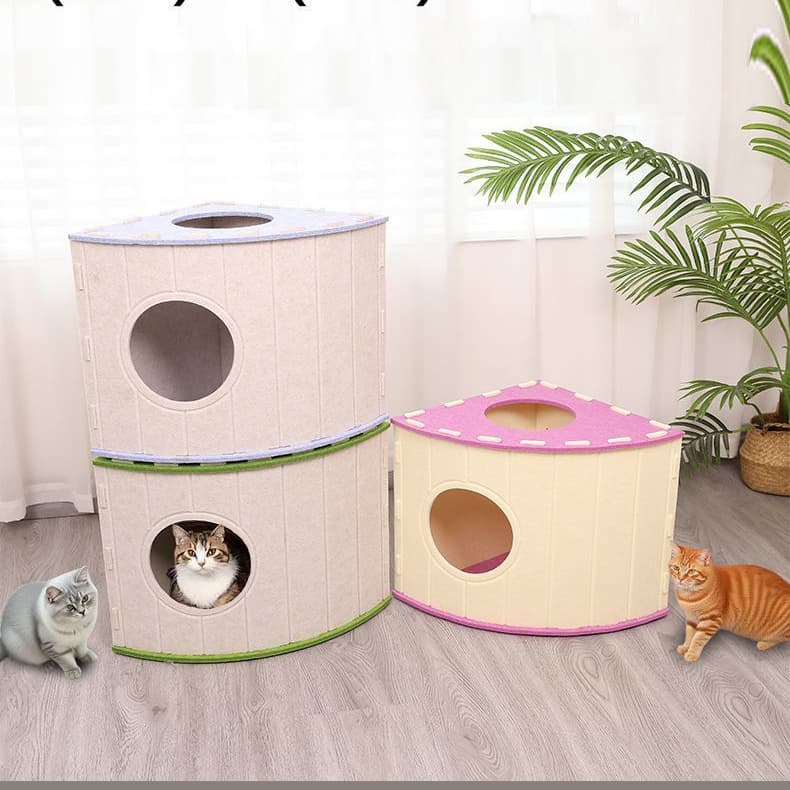
Enclosed Large Scratch-Resistant Calming Pet Bed
A covered hideaway for cats who nap best out of sight.
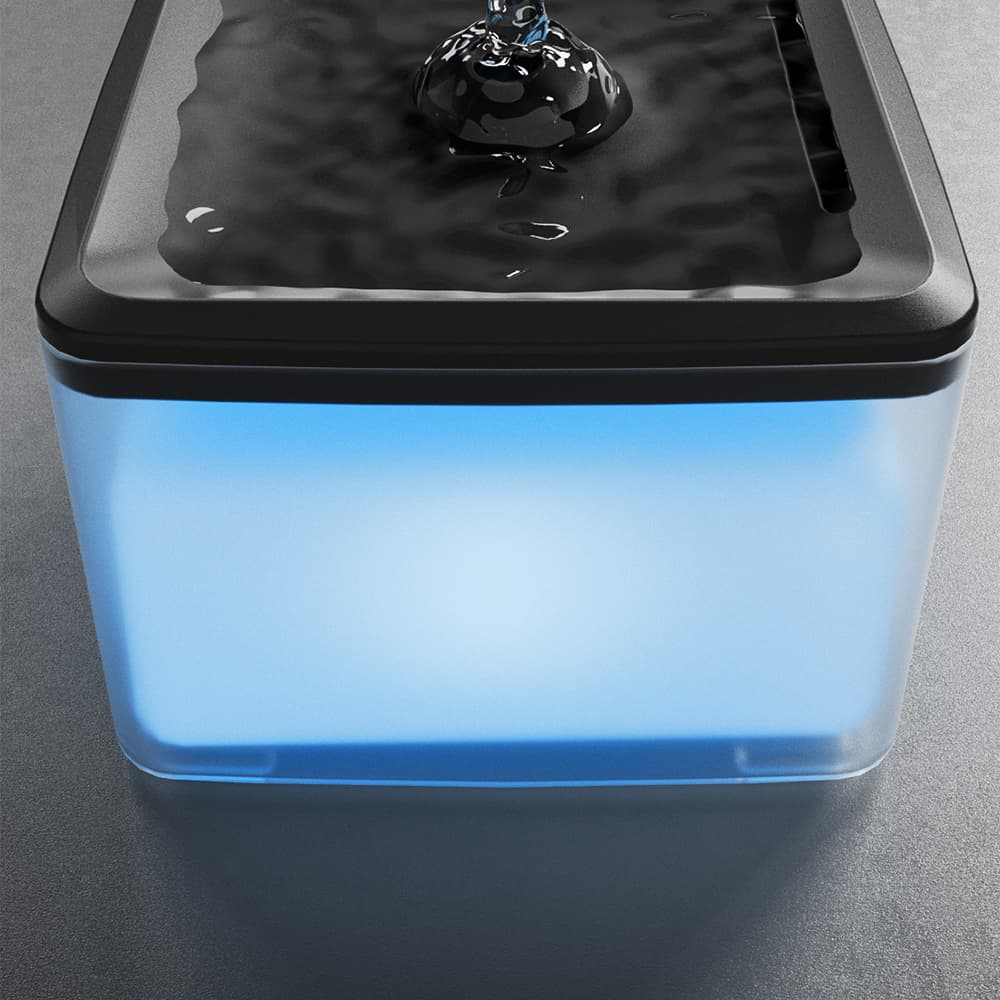
Ultra Silent Circulating Pet Drinking Fountain
Turns the dripping-faucet obsession into real hydration.
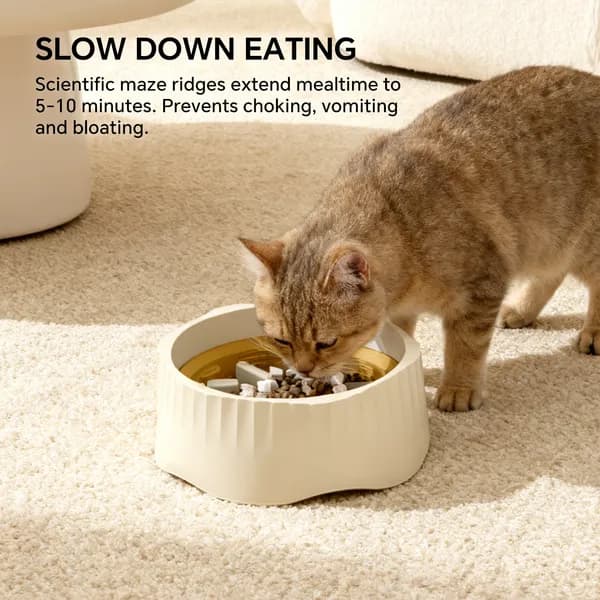
2-In-1 Dual Mode Large Plastic Cat Slow Feeder
Turns thirty-second gulping into a calmer, safer meal.
How we evaluate
Prices are our live catalog prices at the time of writing, and the total is real arithmetic, not a teaser. We include only what a comfort store honestly covers and say plainly which essentials belong to your veterinarian's guidance instead.
Questions pet parents ask
What age can a kitten start using a water fountain?
As soon as they are steady on their feet and drinking water alongside weaning. Keep the water level generous and the fountain clean; a kitten learns from what the water tastes like now.
Does a kitten really need a slow feeder?
Not every kitten, but meal-gulpers benefit from the pacing early, and eating calmly is easier to establish than to retrofit. If your kitten already eats slowly, an ordinary shallow bowl is fine.
When should I add a scratcher?
At the first sign of scratching, which usually arrives within weeks. Placing a scratcher next to whatever they scratched first turns the habit before it settles into the furniture.
What essentials are not on this list?
Litter box and litter, kitten food, a carrier, and the first veterinary visit. We left them off because your veterinarian's specific advice on those matters more than a retailer's bundle.
Related guides
How to keep an indoor cat busy without wrecking your evenings
Indoor cats do best with two or three short play sessions a day that imitate a hunt: stalk, chase, catch, then food.
Do cats need a water fountain?
No cat needs a fountain, but many drink noticeably more with one, because moving water stays fresher and appeals to cats who ignore a still bowl or beg at the tap.
Why is my cat scratching the couch?
Your cat scratches the couch because it is sturdy, tall, covered in grippy fabric, and placed at the social center of the home: everything a scratcher should be.