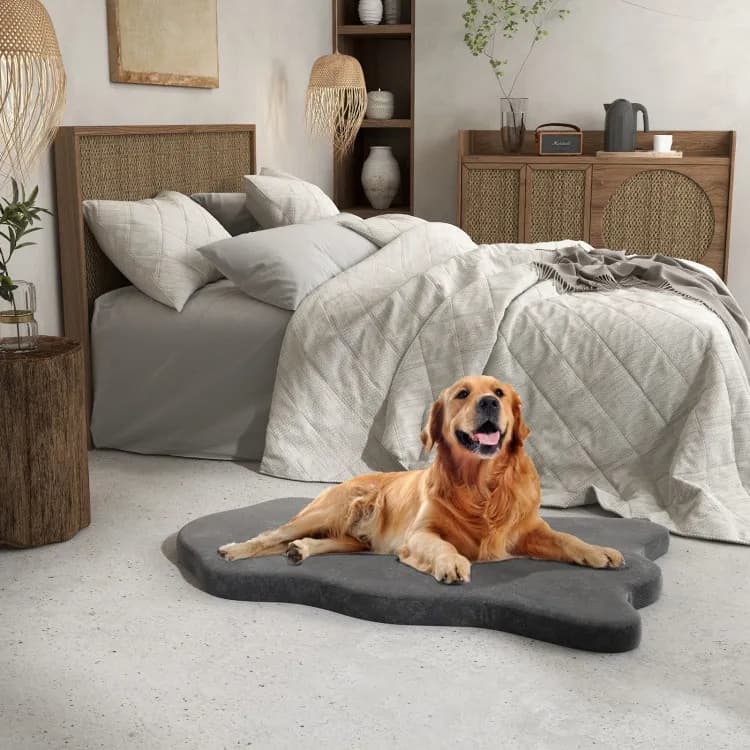
Orthopedic Dog Bed
Supportive foam that keeps older joints off the hard floor.
In stock · Delivers in 2-4 days
A good pet bed is less about looking fluffy and more about matching how your pet actually rests. Curlers usually like raised edges and armrests. Stretchers need a longer flat surface, and often supportive foam under it. Older dogs tend to do better with a lower step-in height and a firmer cushion. For cats, location matters as much as the bed itself: warm light, a quiet corner, and a surface that holds scent. Our sleep picks favor washable cushions, clear dimensions, and shapes that help pets settle without turning your living room into a pile of mismatched cushions.
Supportive foam that keeps older joints off the hard floor.
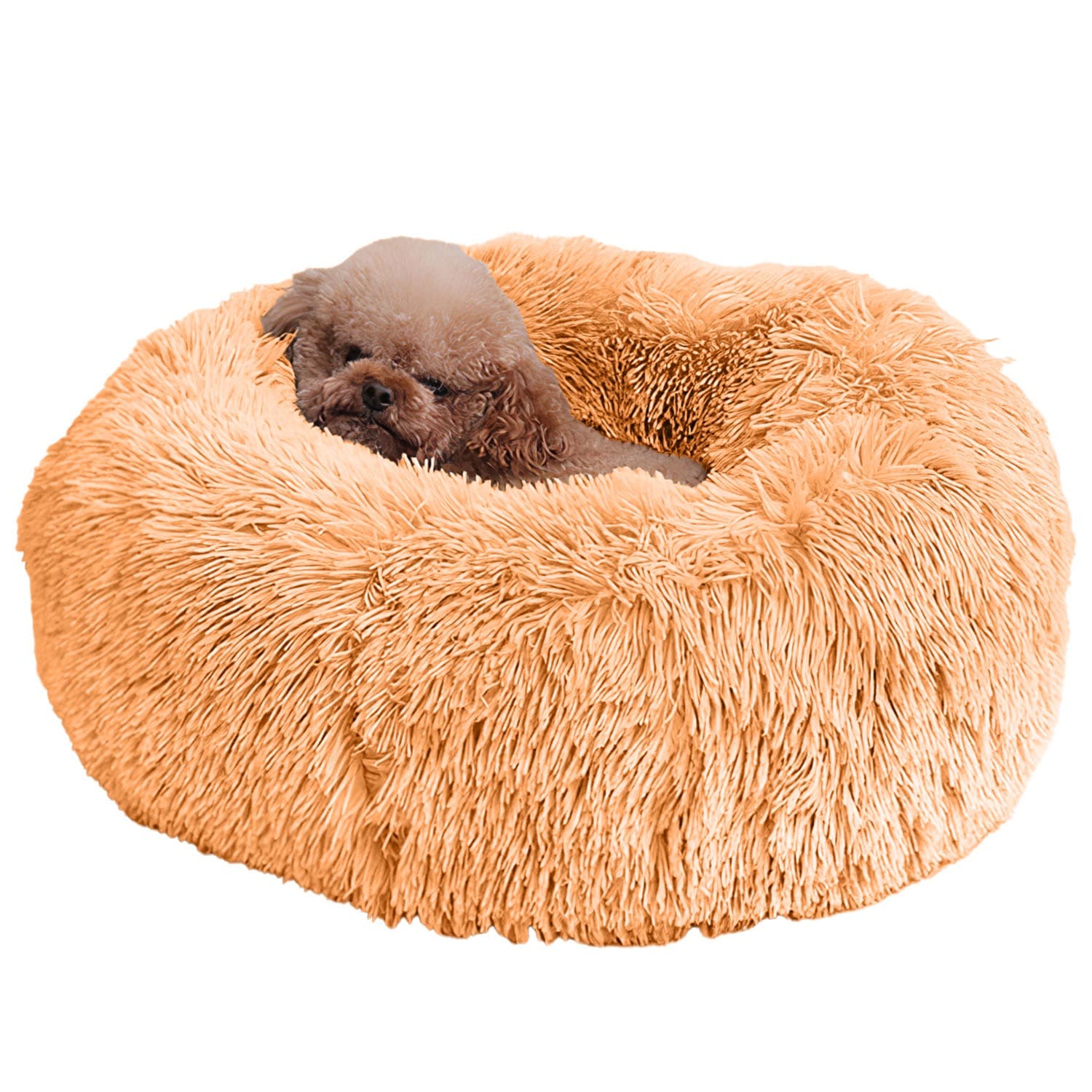
A washable landing pad for serious daily naps.
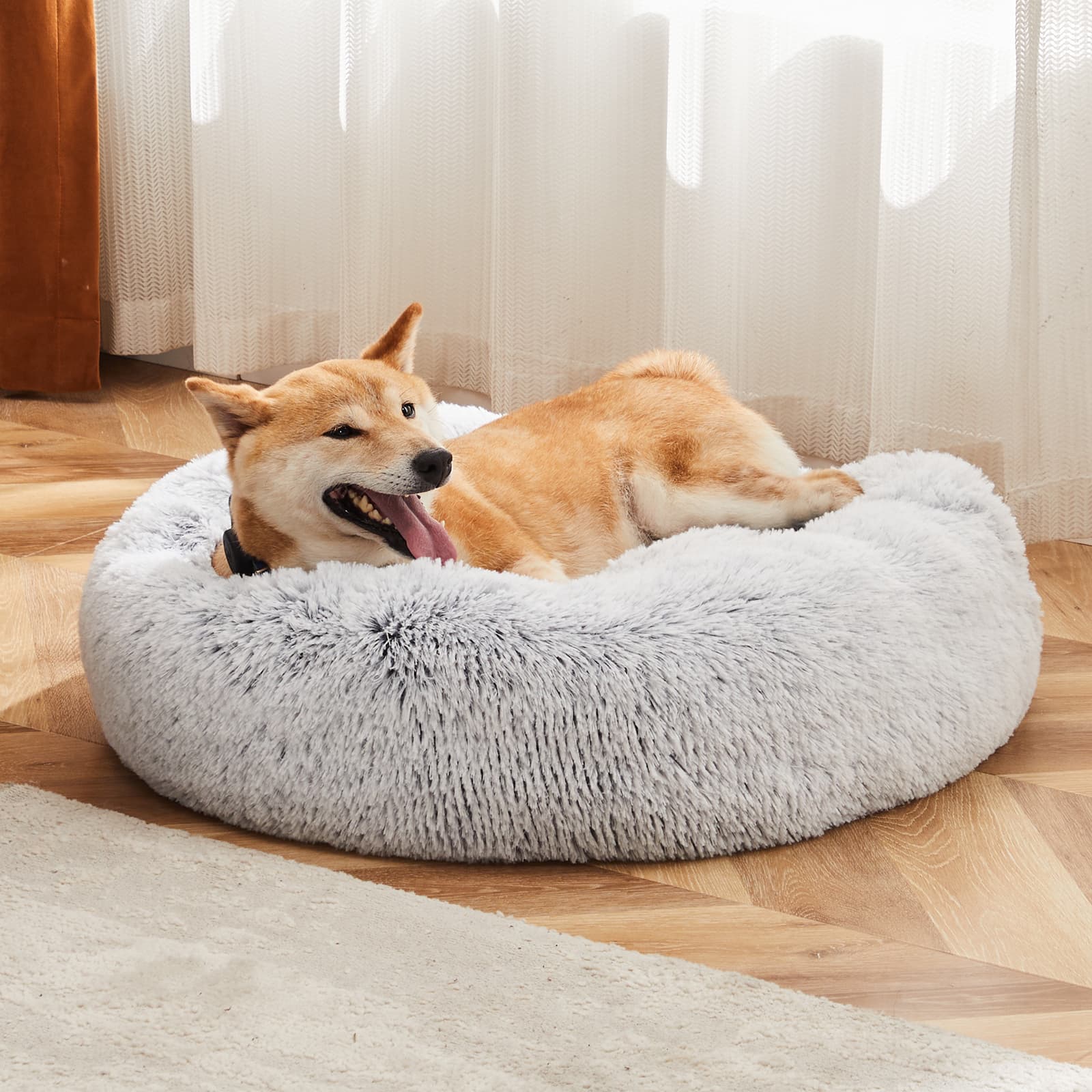
One consistent spot they learn is theirs.
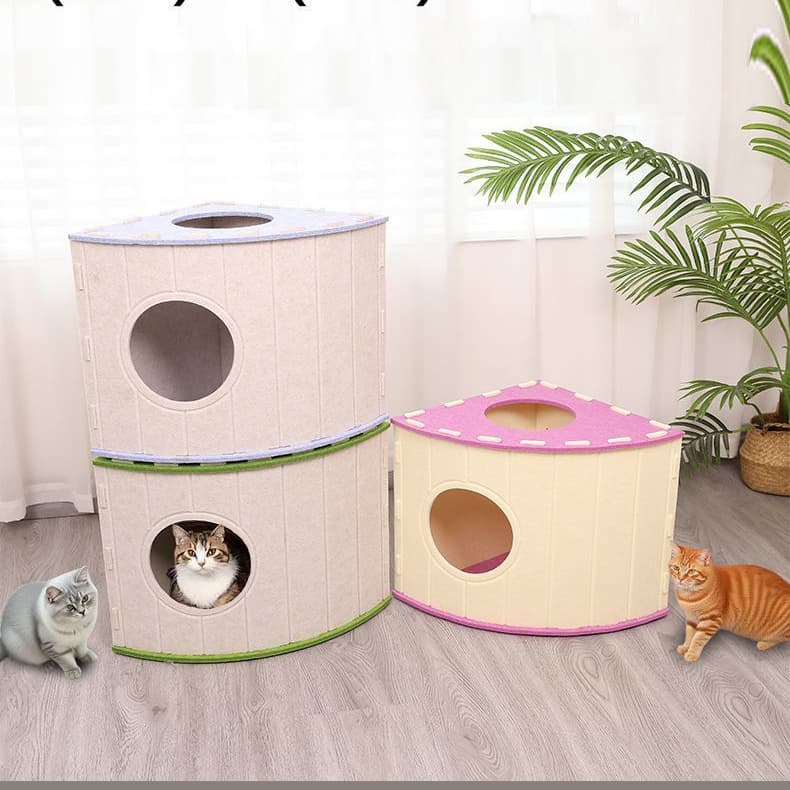
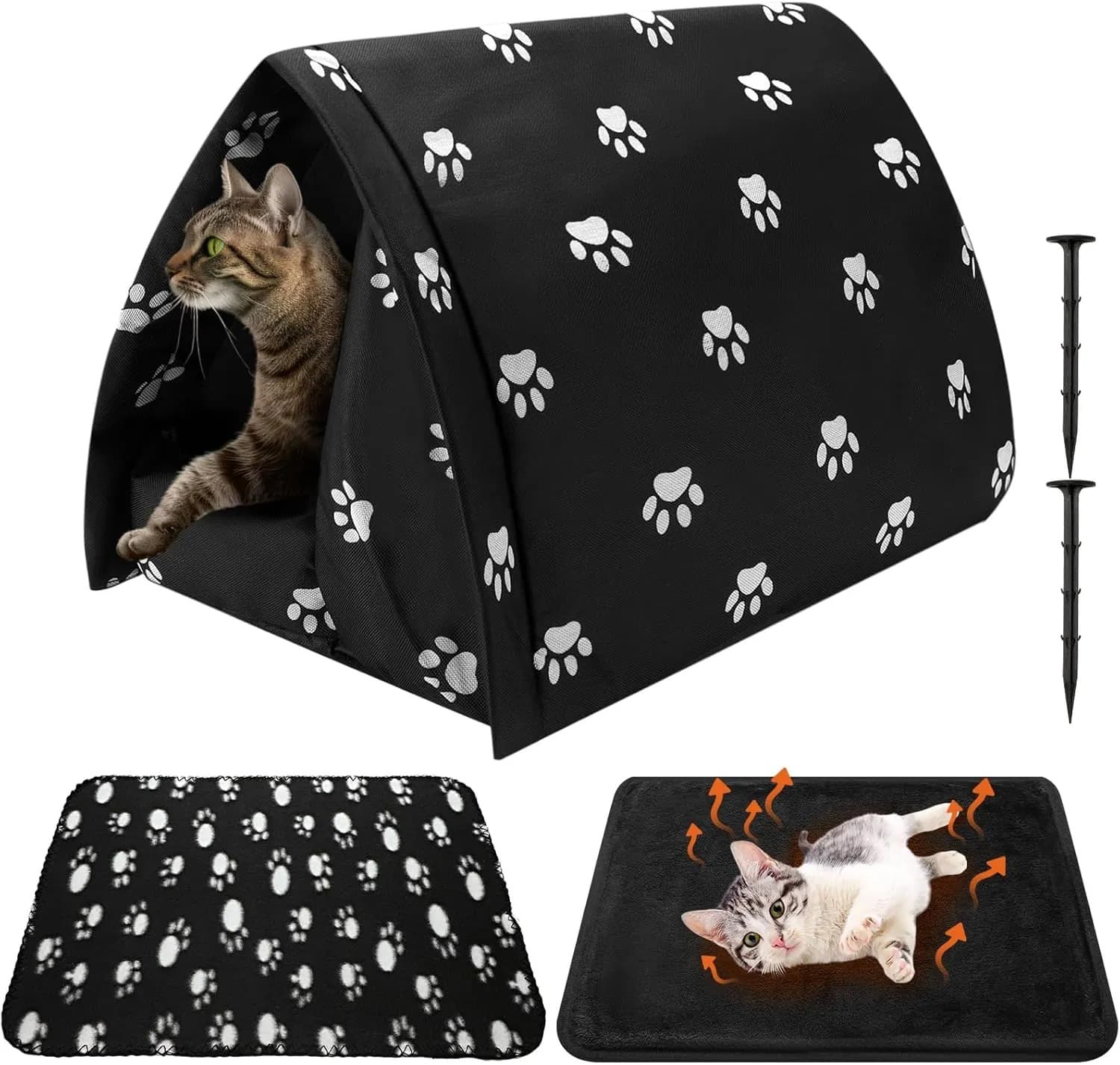
A covered hideaway for cats who nap best out of sight.
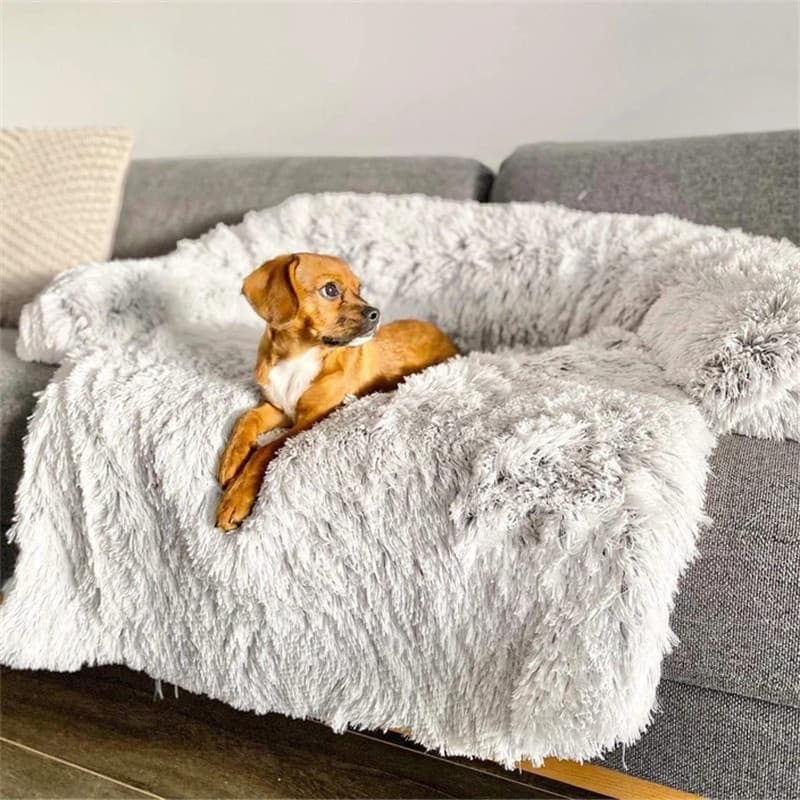
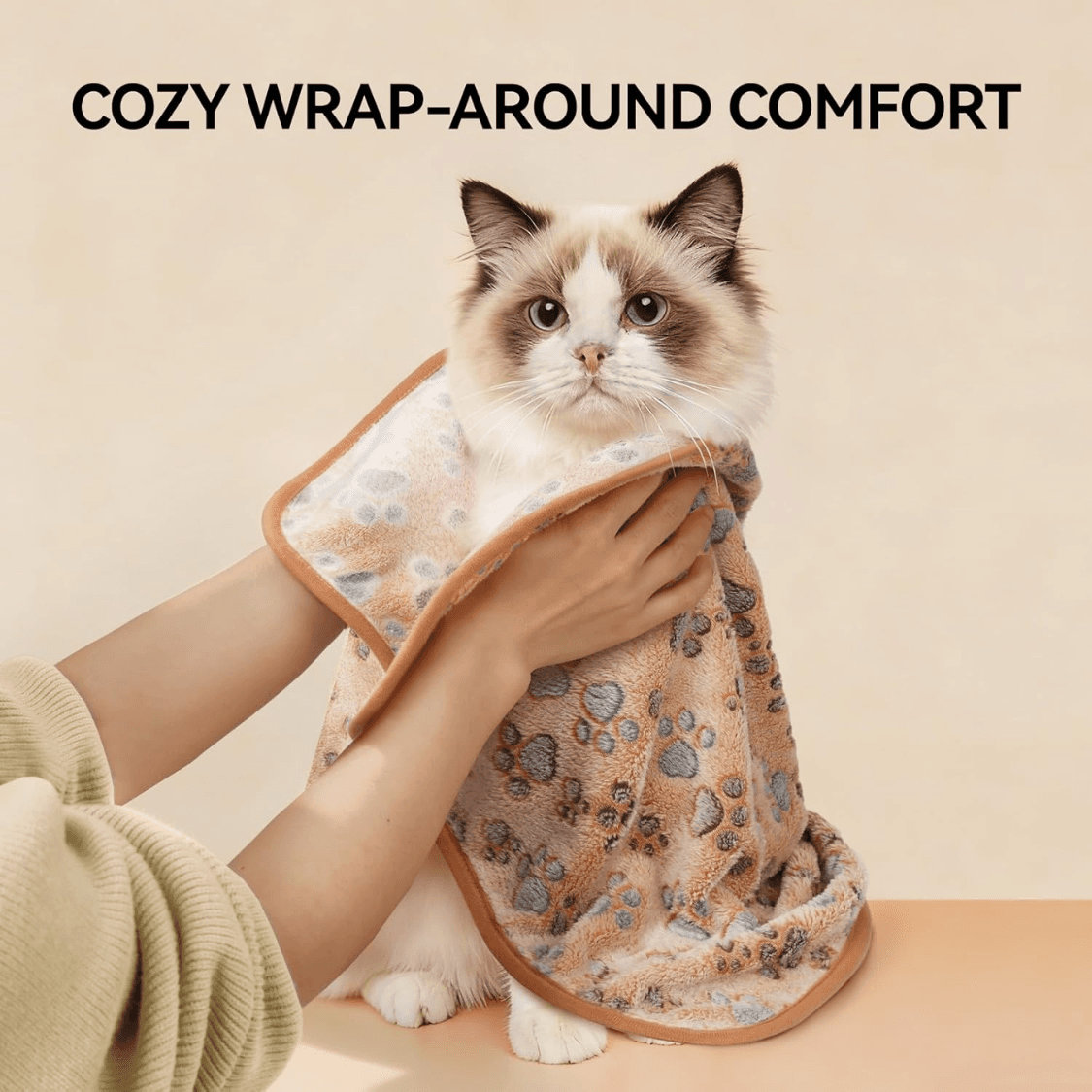
A washable soft layer for the spots they already love.
Measure your pet nose-to-tail while they are relaxed, then compare that with the listed bed dimensions. If they curl tightly, prioritize edge support over extra length. If they stretch, choose a longer flat surface.
Often, yes. A lower step-in height and a firmer, supportive cushion usually help more than extra padding alone.
Yes, for most homes. Removable, washable cushions matter more than novelty shapes because pet beds collect hair, oils, and outdoor dust quickly.
They suit pets who like a defined spot with back support, and homes that want the bed to look like furniture. Pets who sprawl flat on the floor may ignore the structure entirely.