How to keep pets comfortable in a small apartment
One anchor spot beats gear everywhere
The instinct in a small space is to shrink everything; the better move is to consolidate. A pet with one consistent, comfortable rest spot relaxes faster and sheds in one place instead of everywhere, and in a studio that predictability matters more than in a house, because the pet's spot is also your living room, office, and gym. Pick the location by your pet's existing preference, put the bed there, and leave it: a small home rearranged weekly reads as unstable territory to the animal living in it.
Choose gear that disappears
In a small apartment, everything with a footprint should earn it or fold. The Portable Foldable Pet Playpen gives you a real contained zone, for a puppy's settle training, a kitten's first week, or separating pets at mealtimes, and then folds flat behind a wardrobe instead of standing as permanent architecture. Ice-silk cooling mats are the same idea for summer: full-size comfort in season, a flat rectangle under the couch the rest of the year. Buy for the week you need it and the shelf it lives on after.
Cats measure apartments vertically
A small floor plan bothers cats less than it bothers their owners, because cats count vertical and hidden space too. A covered bed like the Enclosed Large Scratch-Resistant Calming Pet Bed gives a cat the out-of-sight retreat they would otherwise claim in a closet, in about a cushion's worth of floor, and matters more in a studio where there is no spare room to retreat to. A window perch with morning light and a scratcher with an 11 by 4 inch footprint complete a cat's territory without consuming yours.
Energy has to go somewhere
Square footage does not exercise pets; routines do. Two or three short, deliberate play sessions a day, prey-style chase for cats, tug and training games for dogs, burn the energy a hallway cannot, and for dogs, real walks remain the non-negotiable backbone that no apartment layout replaces. Time the biggest session for the evening energy spike and end it with the catch and a small meal, and the wind-down lands on the bed instead of on your neighbors' ceiling at midnight.
Feeding and water in a galley kitchen
Meal stations compress well if you separate the functions rather than the inches. Food against one wall, water a step away rather than in the same tray, and the litter box as far from both as the floor plan allows: cats especially will punish a cramped all-in-one arrangement by using it less. The Ultra Silent Circulating Pet Drinking Fountain earns its spot here, at 7 inches across and quiet enough that it can live within earshot of everything, because in a small apartment, everything is.
Products mentioned
See all comfort picks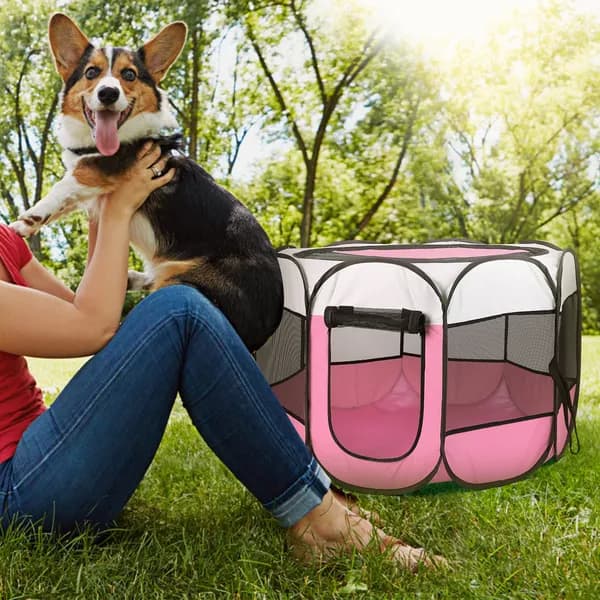
Portable Foldable Pet Playpen Exercise Pen
A safe, defined space for play, training, and settling.
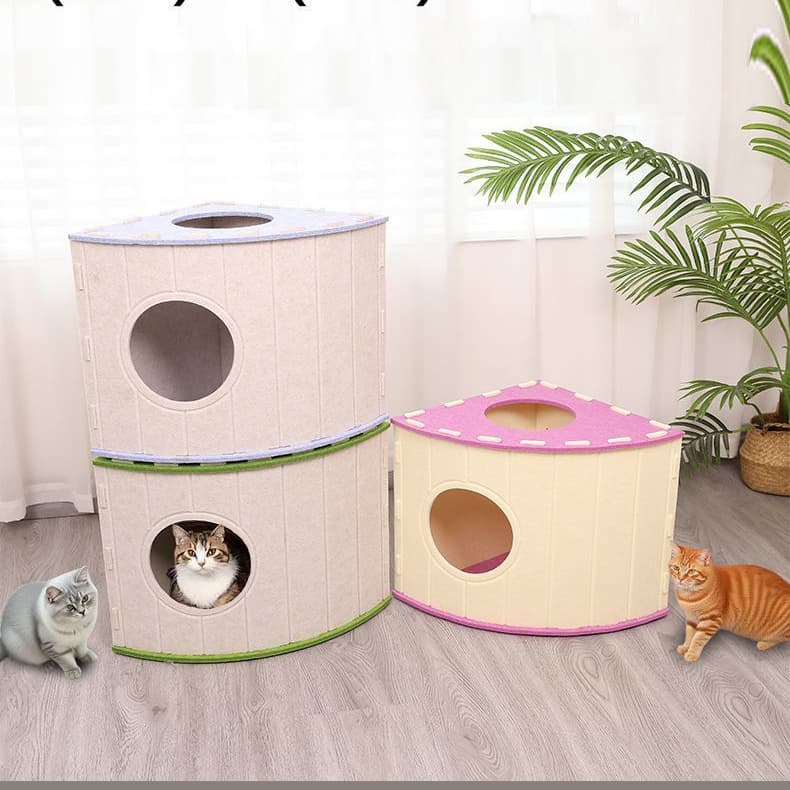
Enclosed Large Scratch-Resistant Calming Pet Bed
A covered hideaway for cats who nap best out of sight.
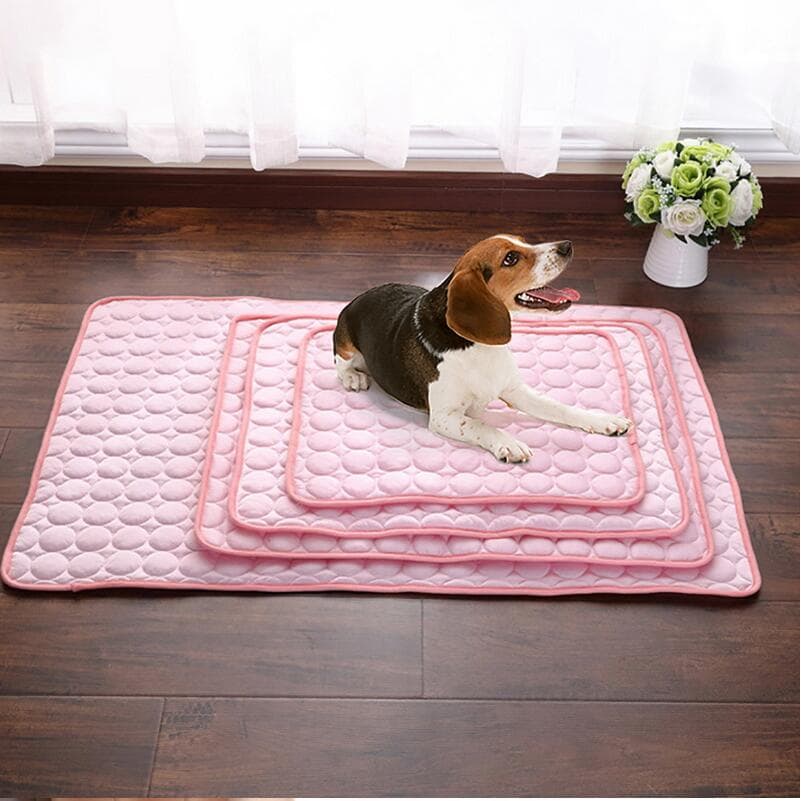
Pet Dog Cat Ice Silk Cold Nest Pad
Passive cooling where they already flop — no cords, no water.
How we evaluate
We evaluate small-space gear on footprint, fold-away honesty, and whether it serves a real routine rather than filling a corner. The advice comes from setting up real pets in real small homes, and we say plainly when the answer is a routine rather than a product.
Questions pet parents ask
Can a large dog be happy in a small apartment?
Often yes, if exercise happens outside it. Dogs measure life in walks, routine, and company more than in square feet; a well-walked big dog in a studio beats an under-walked one in a yard.
Where should the litter box go in a studio?
As far from food, water, and the bed as the layout allows, with the cat able to see the approach. Bathrooms and closet corners work if the door policy is reliable.
Is a playpen useful for cats?
For specific windows, yes: a new kitten's first days, introductions to a resident pet, or recovery confinement. Most adult cats otherwise need vertical space and a retreat more than a pen.
How do I keep a small apartment from smelling like pets?
Wash bedding on a schedule, scoop litter daily, and brush the pet so fur and dander concentrate in a bin instead of the soft furnishings. Small spaces do not create pet smell; they just report it faster.
Related guides
How to build a calmer pet corner
A calmer pet corner needs three things: a plush bed placed where your pet already relaxes, water a step away from the bedding, and meals that slow down instead of spiraling.
How to keep an indoor cat busy without wrecking your evenings
Indoor cats do best with two or three short play sessions a day that imitate a hunt: stalk, chase, catch, then food.
Best cooling mats for dogs who run warm
The best cooling surface for most warm-sleeping dogs is a passive ice-silk mat sized so the chest and belly rest fully on it: cordless, waterless, and movable to wherever they flop.