How to choose a dog bed by sleep style
Start with three nights of observation
Before comparing products, note where your dog sleeps, what posture they hold, and whether they shift spots during the night. A dog who curls into a ball wants containment and soft structure. A dog who props their chin on the couch arm wants an edge to lean on. A dog who leaves bedding for tile is telling you about temperature, not softness. The bed that matches the posture wins; the bed that fights it gets ignored.
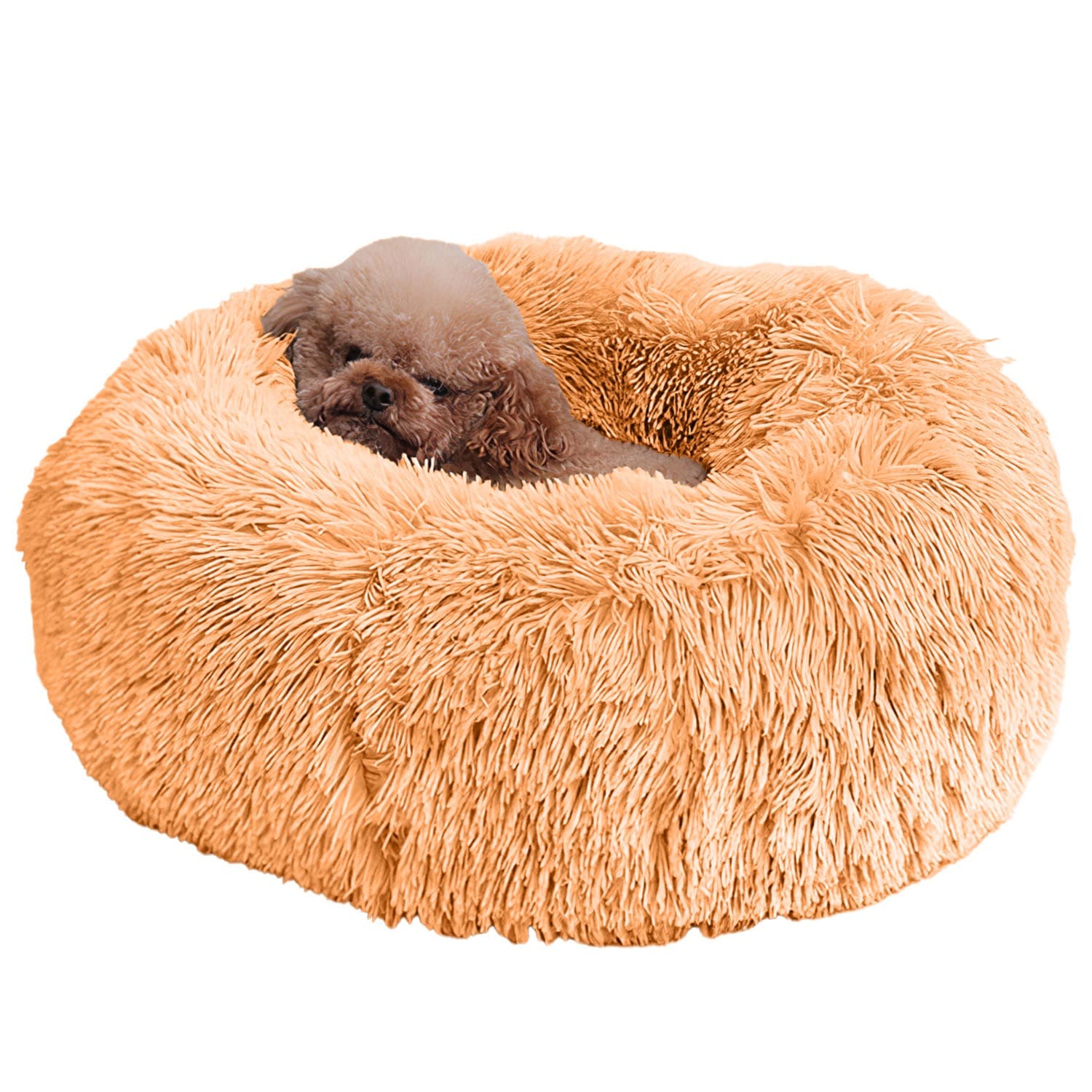
Curlers: soft structure over open area
Tight curlers can size closer to their body length because they do not use the full surface. A soft bed that holds its shape gives them something to press against, which is usually what they were using the couch cushion for. Measure your dog curled, not stretched, compare against the listed dimensions rather than the size name, and favor a washable cover since curl spots collect hair fastest.
Leaners and couch dogs: give them furniture
If your dog claims the sofa, they are choosing structure and a defined spot, not just softness. A low pet sofa with armrests and a backrest recreates that at their scale, and the low profile keeps it easy to step on and off for small and senior dogs. It reads as furniture in the room, so check the seat dimensions the way you would any small seat.
Side-stretchers and seniors: support over softness
A dog who sleeps flat on their side puts hips, elbows, and shoulders straight into the bed, and a soft cushion that bottoms out leaves those joints on the floor. An orthopedic foam bed holds its shape under the dog's weight, which matters most for seniors, large breeds, and dogs who come home stiff after long walks. Size it to your dog fully stretched on their side, and size up between sizes.
Hot sleepers: a cooler surface, not more padding
Dogs who abandon plush bedding in summer usually want heat relief, not padding. An ice-silk cooling mat gives them a surface that feels cooler on contact, with no water, cord, or refrigeration, and it can lie on the floor they already chose or on top of the bed they abandoned. It is the pick for dogs who rotate between the bed and the tile by season.
When the bed still gets ignored
Placement fails more beds than padding does. Put the new bed exactly where your dog already naps, keep the old blanket on it for the first week, and resist moving it around daily. If they use it in the evening but abandon it at night, the room temperature is usually the reason, not the bed.
Products mentioned
See all comfort picks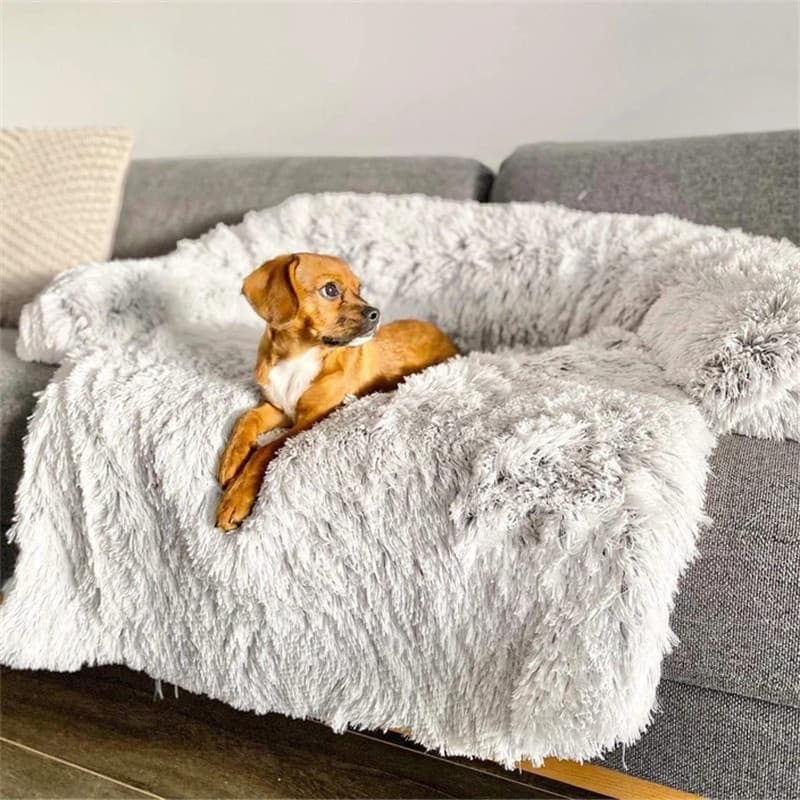
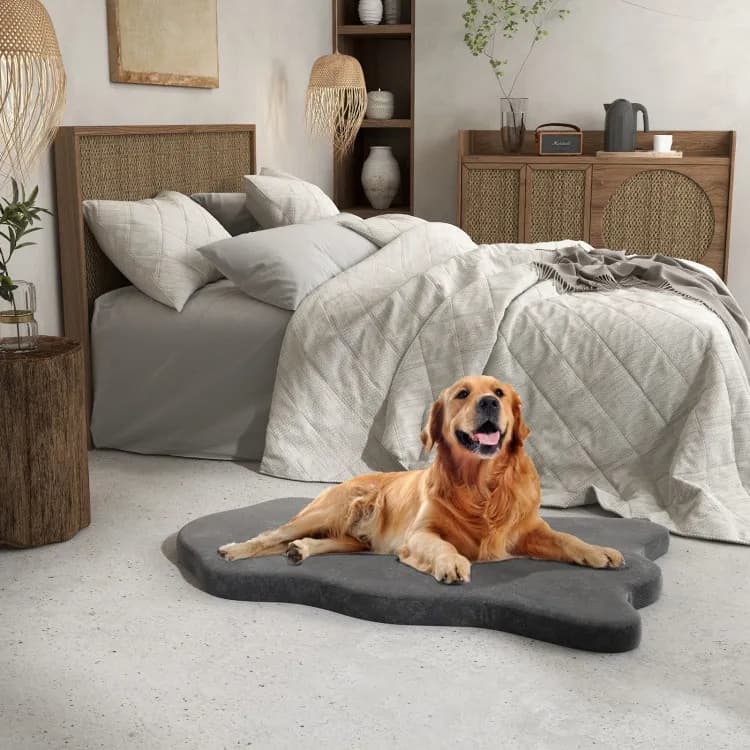
Orthopedic Dog Bed
Supportive foam that keeps older joints off the hard floor.
How we evaluate
We evaluate beds against their published spec sheets: dimensions, materials, washability, and step-in height, then match each to the sleep postures it genuinely supports. Every pick states who it is not for. We do not use invented review counts or comfort scores.
Questions pet parents ask
How do I measure my dog for a bed?
Measure nose-to-tail while they are lying relaxed. Curlers can choose a bed close to that length; stretchers should add several inches beyond it.
What if my dog changes position by season?
Many do. A soft bed for winter and a cooler ice-silk surface for summer is a common two-surface answer in warm climates.
How many beds does a dog need?
One good bed in the main rest spot is enough for most homes. A second, simpler option helps if your dog splits time between rooms.
Related guides
What size dog bed does my dog need? A sizing guide by weight
Size a bed to your dog's stretched-out length, then check the listing's stated dimensions rather than trusting a size label.
Why does my dog dig at their bed?
Digging at the bed is almost always nesting instinct: dogs scratch and circle to shape a sleeping spot and mark it with scent from their paws.
Best plush pet beds under $80
The Anti-Slip Round Fluffy Plush Faux Fur Pet Bed is the best plush bed under $80: a 35 by 31 inch donut from $42 that suits curlers up to larger dogs, with a full size run.