How often should I wash pet bedding?
The one-to-two-week baseline
Pet bedding collects three things on a schedule: loose fur, skin oils, and whatever the day's walk brought home. Fur is visible, but the oils are what turn a bed smelly and matted, and they build up whether or not the bed looks dirty. Every one to two weeks keeps ahead of that in a typical single-pet home. The honest test is the one you already use: if the bed smells like dog when you walk past it, the wash is overdue, not due.
When weekly is the right answer
Move to weekly during heavy seasonal shedding, when someone in the household has pet allergies, when your dog swims or spends real time outdoors, and for puppies and seniors, who both have more accidents. Wash immediately, on the hottest setting the fabric allows, after fleas, ticks, or any accident: partial measures leave the problem in the fibers. Multi-pet beds also lean weekly, since two coats load a cover twice as fast.
How to wash without wrecking the bed
First get the fur off dry: shake the cover outside, then vacuum it or run a fur-removal pass, because a washing machine full of loose hair redeposits it on everything, including its own filter. Wash covers in warm water with a mild, fragrance-light detergent, skip fabric softener since its residue coats fibers and holds more hair, and dry completely: a damp core is how beds grow mildew. Check the listing's care guidance before the first wash rather than after it.
Less fur in means fewer washes
The cheapest way to wash bedding less often is to catch the coat before it lands. A few minutes with the Self Cleaning Slicker Brush during shedding season removes the undercoat that would otherwise felt itself into the bed's fabric, and the 2in1 Double Sided Pet Grooming Glove does the same job for pets who distrust brushes. For the fur already embedded in the cover, the Self Cleaning Shedding Brush lifts it dry before wash day, which both machines and lint traps will thank you for.
Buy the next bed for washday
If washing the current bed is a wrestling match, that is a purchasing lesson. A removable cover with a real zipper beats a whole-bed wash every time; beds whose listings say nothing about the cover coming off usually mean it does not. Two covers for one bed is the quiet luxury here: one on the bed while one is in the machine, and the rest spot never sits bare.
Products mentioned
See all comfort picks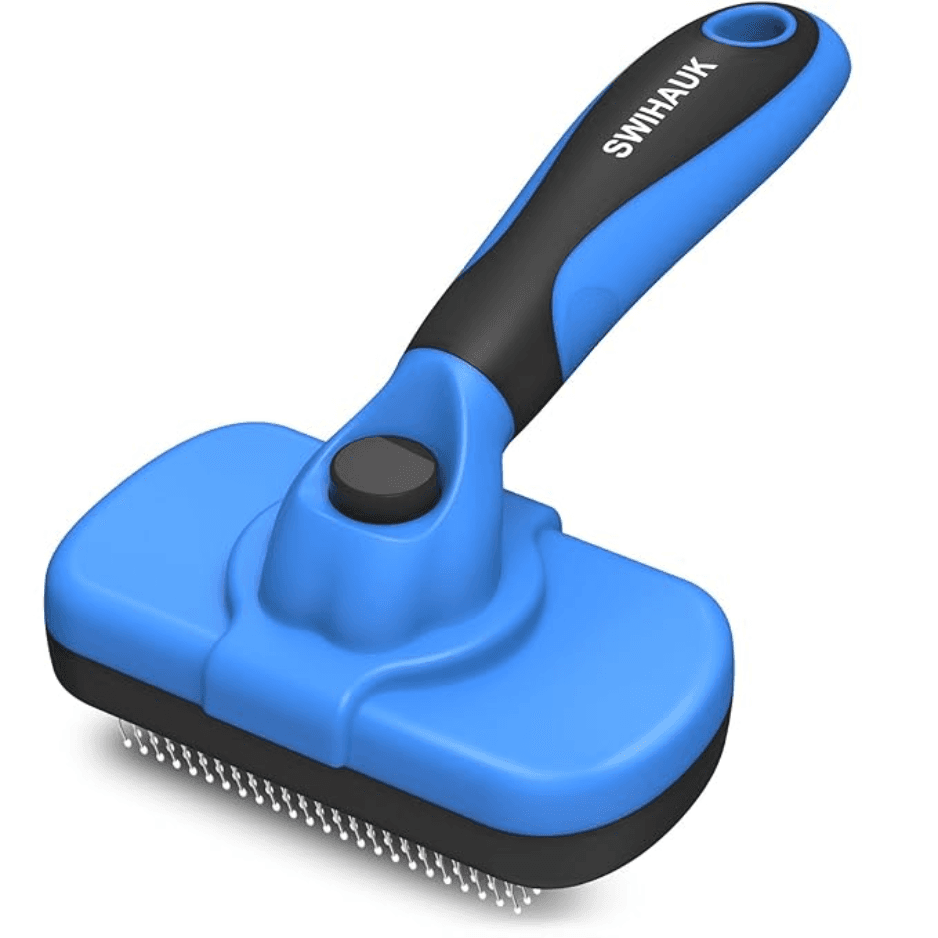

2in1 Double Sided Pet Grooming Glove
Catch the undercoat before it tours the house.
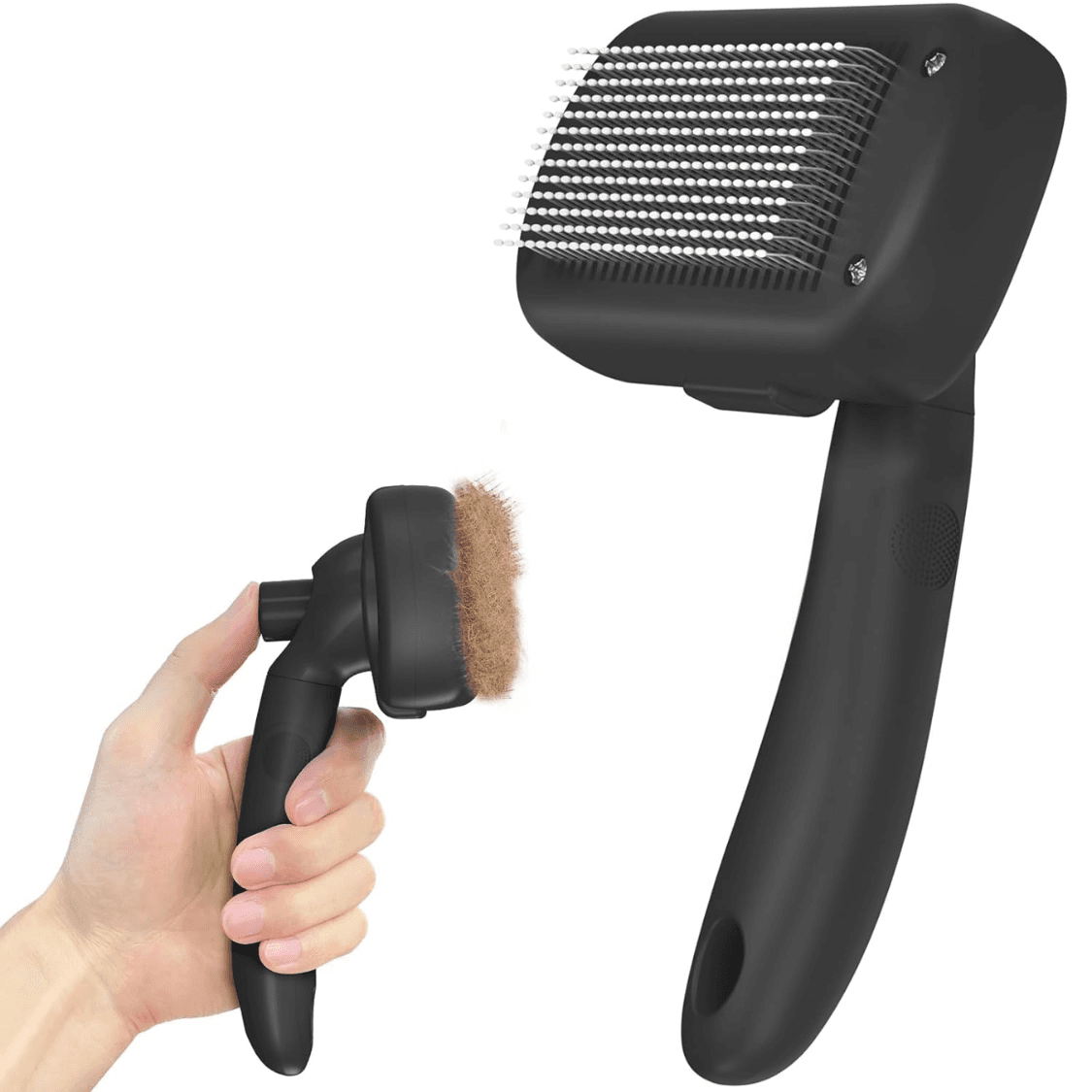
Self Cleaning Shedding Brush
Reusable pickup for the fur your vacuum leaves behind.
How we evaluate
Our cleaning guidance comes from repeated real washing of the products we stock, checked against each item's published care information. We recommend plain household technique wherever it beats a purchase, and we do not invent lab results or bacteria counts to make hygiene points.
Questions pet parents ask
Can I machine-wash a whole pet bed?
Only if the listing says so. Many beds have foam or fill that clumps or holds water when submerged. When the cover comes off, wash the cover routinely and clean the core by vacuuming and airing it.
What detergent is safe for pet bedding?
A mild, fragrance-light detergent, fully rinsed. Skip fabric softener, which leaves residue that holds hair, and skip strong fragrances, which pets often dislike sleeping on.
How do I get fur off bedding before washing?
Shake it outside, then make a dry pass with a fur-removal tool or vacuum. Removing fur before the wash protects the machine and keeps the fur from redepositing on the load.
How often should I wash cat bedding?
The same one-to-two-week rhythm works for cats. Covered cat beds hide dirt well, so go by smell and shedding season rather than appearance.
Related guides
How to get pet hair off a couch without lint-rolling forever
The lasting fix for couch hair is less hair reaching the couch.
Best deshedding brushes for dogs and cats
The Self Cleaning Slicker Brush is the best deshedding tool for most coats: it reaches loose undercoat and empties with one button, at $70.
Why does my dog dig at their bed?
Digging at the bed is almost always nesting instinct: dogs scratch and circle to shape a sleeping spot and mark it with scent from their paws.