How much water should a cat drink a day?
The rule of thumb, and why it bends
The weight-based estimate, roughly 3.5 to 4.5 ounces per five pounds of body weight daily, is a starting point, not a target to measure into the bowl. Diet moves it more than anything else: wet food is mostly water, so a cat on canned meals may visibly drink very little and still be fine, while a kibble-fed cat has to make up nearly all of that volume at the bowl. Warm weather and play raise the need; a sleepy winter week lowers it. Watch the pattern over days, not the level after one afternoon.
How to tell if your cat is drinking enough
You do not need to measure; you need to notice. The litter box is the honest ledger: clumps that have become noticeably smaller or scarcer suggest less water is going through, and a kibble-fed cat you never see drink deserves closer attention than a wet-food cat with the same habit. Lethargy, sticky gums, or a coat that suddenly looks unkempt alongside reduced drinking are reasons to call your veterinarian rather than adjust equipment. When in doubt, a quick call costs nothing.
Why cats under-drink from still bowls
Many cats are unimpressed by standing water. It has no motion to catch the eye, it picks up dust and smells over a day, and a deep bowl presses whiskers against the rim, which some cats plainly dislike. The same cat who ignores the bowl will often run for a dripping tap, because moving water reads as fresh. That behavioral quirk, not stubbornness, is why the water bowl is the most commonly half-ignored object in a cat household, and it is exactly the gap a fountain fills.
Making water more interesting
A circulating fountain keeps water moving and filtered, which persuades many bowl-ignorers to drink more. The Ultra Silent Circulating Pet Drinking Fountain is the easy first pick: compact at 7 inches across and quiet enough to live near the sleeping corner. The Ceramic Pet Water Fountain holds 2.1 liters in a wide basin that scrubs genuinely clean, and the Stainless Steel Automatic Induction fountain's 3-liter capacity suits multi-cat homes. Whichever you choose, place it away from food and litter, and keep a plain bowl available during the transition.
When more thirst is the warning
Drinking more is not automatically progress. A cat, especially an older one, whose water intake climbs noticeably over days or weeks, or who starts camping at the fountain, needs a veterinary conversation, because increased thirst is a common early flag for several conditions your vet can actually test for. The fountain's job is to make adequate drinking easy, not to explain away a change in behavior. Sudden shifts in either direction are the signal that matters.
Products mentioned
See all comfort picks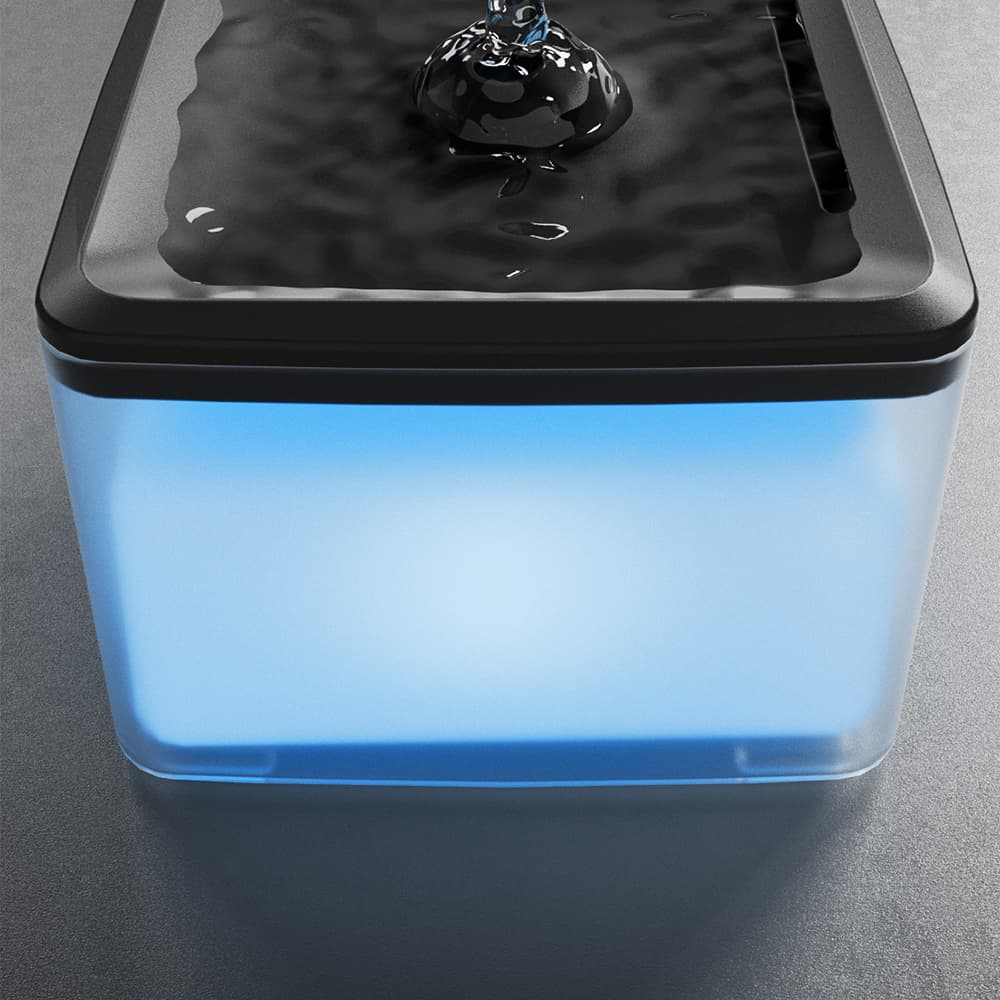
Ultra Silent Circulating Pet Drinking Fountain
Turns the dripping-faucet obsession into real hydration.
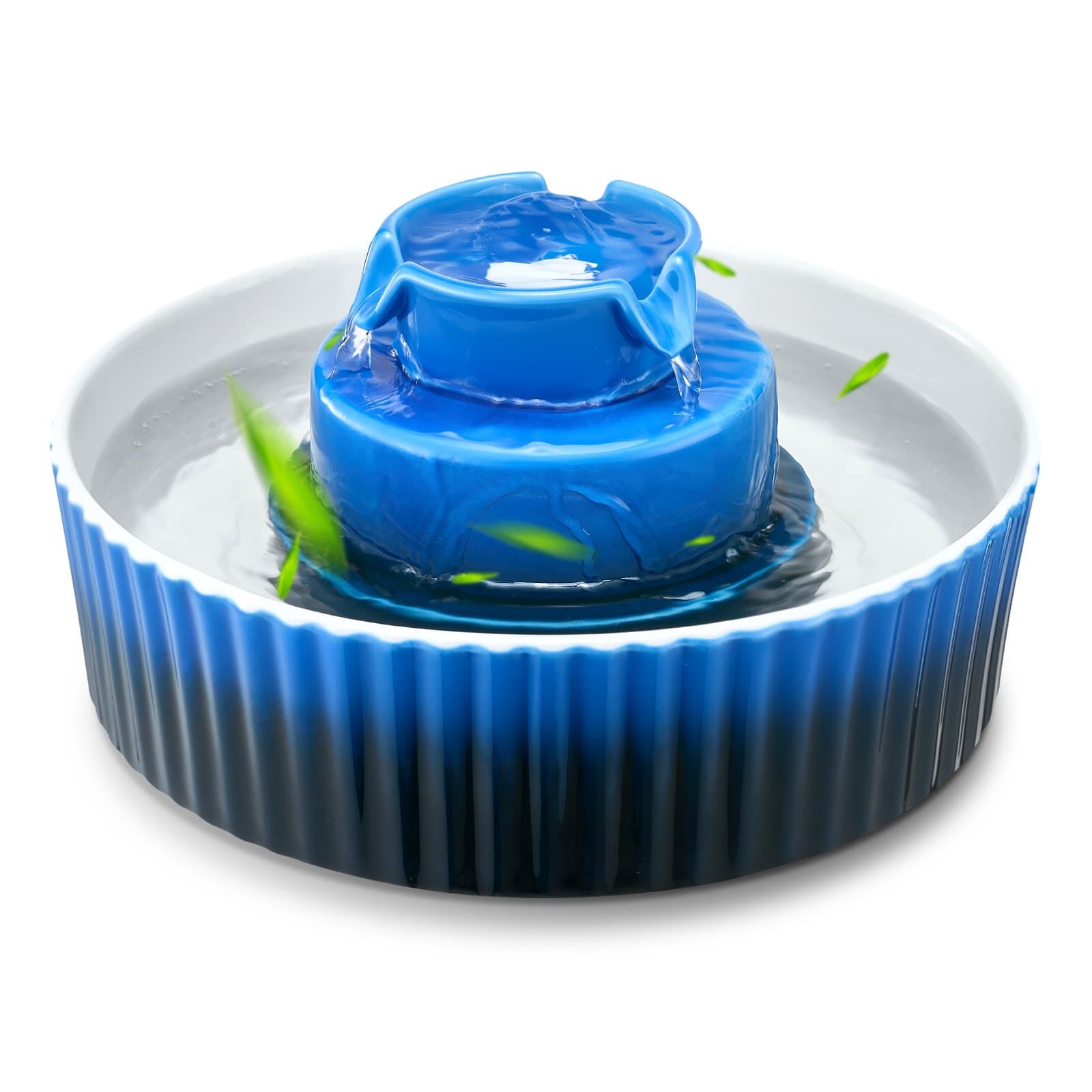
Ceramic Pet Water Fountain 2.1l/71oz Cupcake Pet Fountain
Running water for the cat who ignores a still bowl.
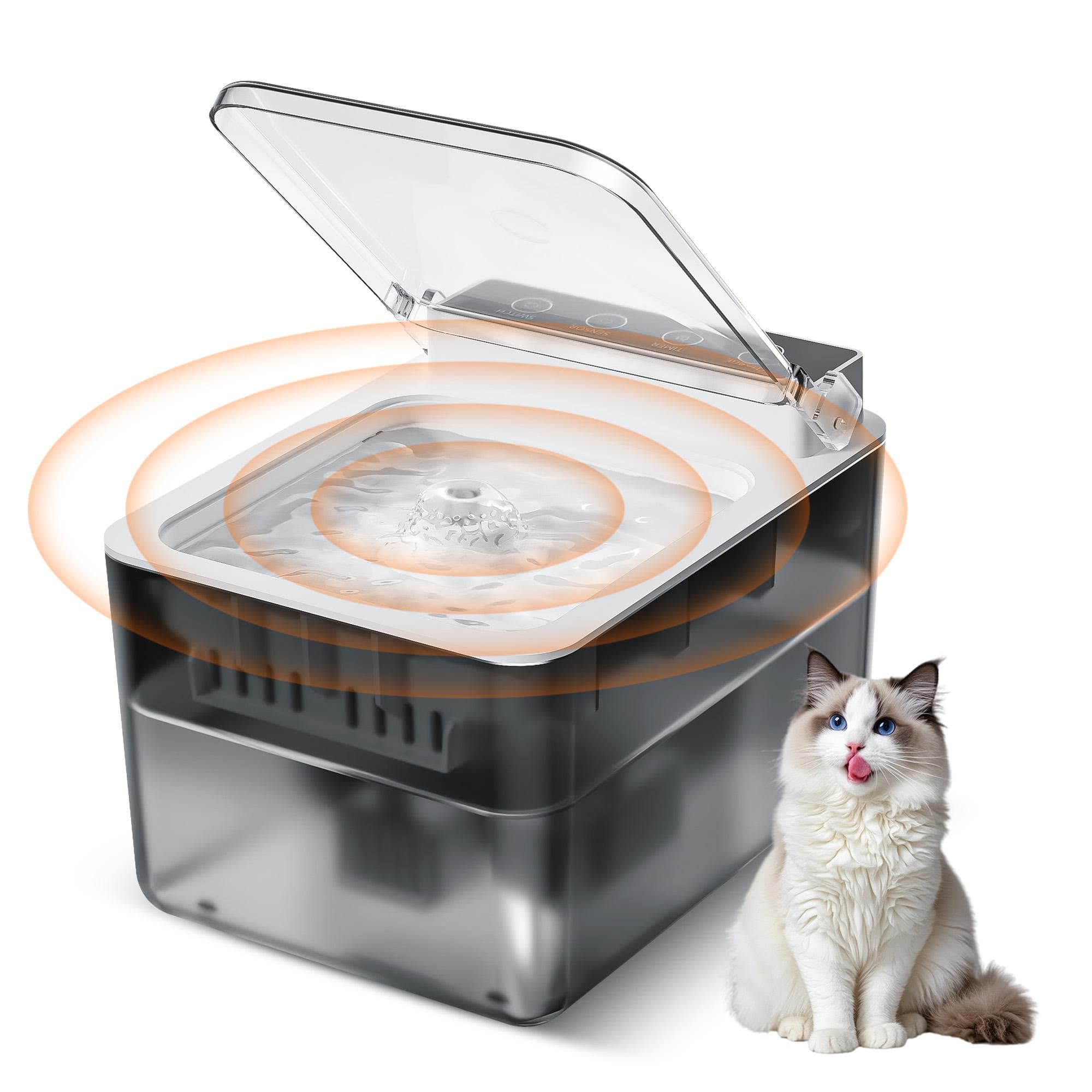
Stainless Steel Cat Automatic Induction Pet Water Fountain
Moving water that finally makes drinking interesting.
How we evaluate
We cite only widely used, veterinarian-published rules of thumb, phrased as the estimates they are, and we point to a veterinarian wherever a question is medical rather than behavioral. Product picks come from our own testing of the fountains we stock, judged on noise, cleaning access, and whether cats actually use them.
Questions pet parents ask
Does wet food count toward my cat's water intake?
Yes, substantially. Canned food is mostly water, which is why wet-fed cats drink visibly less at the bowl. Count the pattern as a whole rather than expecting every cat to drink the same amount.
Why does my cat drink from the tap but not the bowl?
Moving water reads as fresher and catches a cat's attention; still water in a day-old bowl does not. A circulating fountain recreates what the tap offers without recruiting you as the faucet operator.
How often should I change fountain water?
Top up daily, change the water and rinse the basin every few days, and clean the pump on the schedule the manual gives. A fountain only out-performs a bowl while it is actually clean.
My cat suddenly drinks a lot more. Should I worry?
A sustained, noticeable increase in thirst is worth a veterinary visit, particularly in older cats. It is a common early sign of treatable conditions, and it is not something new equipment should be used to explain away.
Related guides
Do cats need a water fountain?
No cat needs a fountain, but many drink noticeably more with one, because moving water stays fresher and appeals to cats who ignore a still bowl or beg at the tap.
Best water fountains for cats
The Ultra Silent Circulating Pet Drinking Fountain is the best fountain for most cats: quiet enough for a bedroom, compact at 7 inches across, and $56.
How to build a calmer pet corner
A calmer pet corner needs three things: a plush bed placed where your pet already relaxes, water a step away from the bedding, and meals that slow down instead of spiraling.